Exploding Head Syndrome: The Loud Bangs That Aren’t There
The sound didn’t come from the hallway. It didn’t come from a burglar tripping over a lamp or a transformer blowing three blocks away. It happened inside my skull. A massive, metallic clang—like a giant dropping a sheet of corrugated steel onto a concrete floor—ripped me out of the first stages of sleep. I bolted upright. My heart wasn’t just beating; it was trying to exit my chest through my throat. I looked at the cat. He was asleep. I looked at my wife. She hadn’t moved. The house was dead silent.
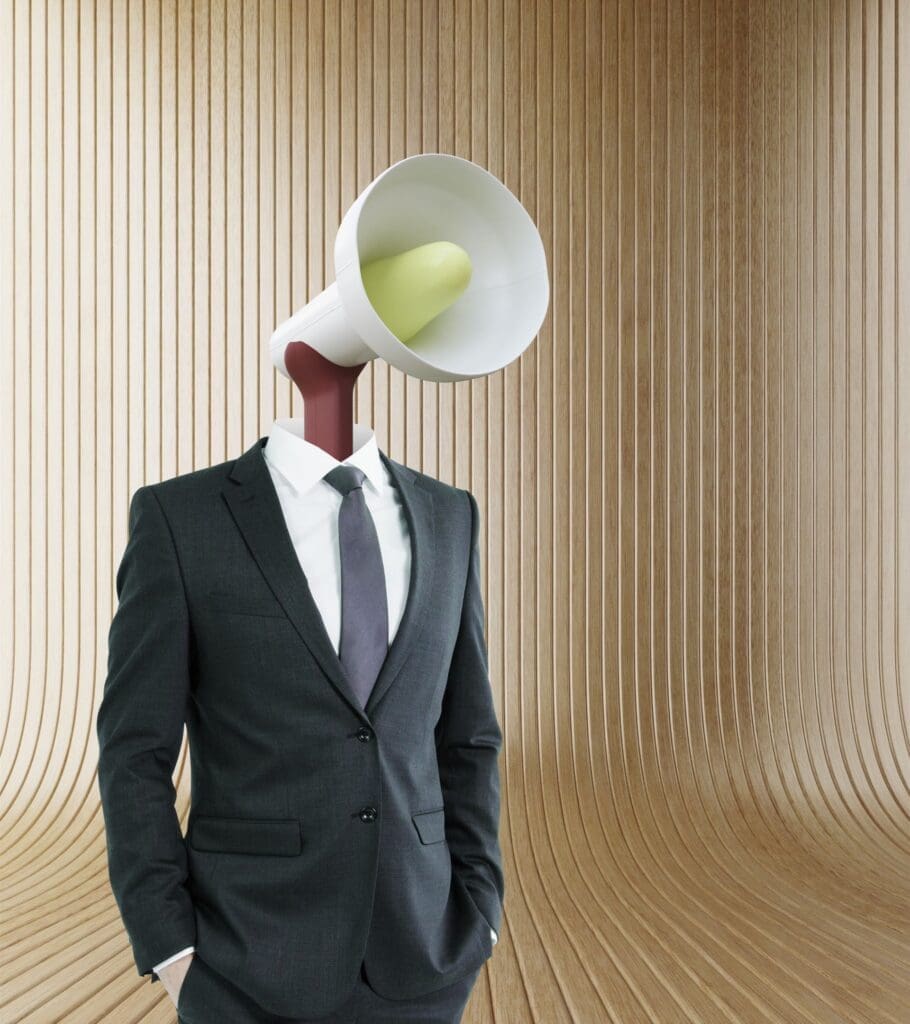
That was my introduction to Exploding Head Syndrome (EHS). It is a name that sounds like a discarded David Cronenberg script, but for those of us who live with it, the experience is less “sci-fi body horror” and more “psychological warfare waged by my own grey matter.” It’s an auditory sleep hallucination. A glitch in the matrix of the human brain as it tries to shut down for the night.
Most people think sleep is a simple toggle switch. You’re awake, then you’re not. I used to think that. Now I know the truth: sleep is a messy, multi-layered handoff between different regions of the brain. Sometimes, the handoff fumbles. When that happens, your brain decides that instead of silence, you need to hear a gunshot, a bomb, or a choir of screaming banshees right as your eyelids get heavy.
The Physics of a Phantom Gunshot
If you go to a GP and tell them your head exploded, they’ll probably check your blood pressure and look at you like you’ve been reading too many Creepypasta threads. I’ve been there. The medical community used to treat this as a rare curiosity. They tucked it away in the “parasomnia” drawer alongside sleepwalking and night terrors. But Brian Sharpless, a clinical psychologist who literally wrote the book on this—Exploding Head Syndrome: A Practitioner’s Guide—found that it’s way more common than the textbooks suggested.
What is actually happening? Think of your brain as a massive power grid. As you drift off, the “reticular formation”—the part of your brain responsible for overseeing this shutdown—is supposed to turn off the lights in a specific order. Motor neurons go first (so you don’t kick your dog), then the sensory neurons. In EHS sufferers, there’s a power surge. Instead of the auditory neurons dimming quietly, they all fire at once. It’s a neural “all-hands-on-deck” moment that results in a perceived sound that can reach 100 decibels.
There is no actual sound. Your ears aren’t detecting vibrations in the air. Your brain is just hallucinating the result of a massive electrical misfire. It’s like a “brain zap” but with the volume turned up to eleven.
It’s Not a Stroke (Probably)
The first thing I did after my head “exploded” was Google “symptoms of a stroke.” I was convinced my brain was leaking. The terror is the worst part. You feel a sense of impending doom. Some people report seeing flashes of light—hypnagogic light shows—accompanying the noise. I’ve had that too. It looks like someone took a high-speed flash photo three inches from my face while I had my eyes closed.
I’ve talked to people who hear different things. For some, it’s a door slamming. For others, it’s an electric buzzing that grows in intensity until it peaks in a loud pop. One guy told me it sounded like a literal explosion, hence the name. He spent three months checking his water heater every night because he was sure it was going to level the neighborhood.
The frustration is real. You’re exhausted. You want to sleep. But your brain has become an unreliable narrator. You start to fear the pillow. That fear creates stress. And here is the cruel joke: stress is the primary trigger for EHS.
The Cycle of Exhaustion
I noticed a pattern in my own episodes. They never happen when I’m on vacation or when I’ve had a relaxing Sunday. They happen when I’m red-lined. When I’ve had four cups of coffee, stayed up until 2:00 AM finishing a report, and then collapsed into bed with my brain still spinning at 5,000 RPMs.
My brain is tired. It fumbles the shutdown. Bang. I’m awake. Now I’m stressed about being awake. This makes the next night even more likely to feature a phantom explosion. It’s a feedback loop from hell.
We don’t talk enough about the isolation of sleep disorders. When you tell a coworker you didn’t sleep well because you heard a bomb in your head that didn’t exist, they back away slowly. They suggest “lavender oil” or “weighted blankets.” Thanks, Karen. I’m sure the smell of dried flowers will stop my neurons from simulating a localized nuclear strike.
Searching for the “Off” Switch
Is there a cure? Not really. There’s no “Head Explosion Pill” you can pick up at CVS. Some doctors prescribe Amitriptyline or Topiramate—anticonvulsants or antidepressants that mess with brain chemistry—but that feels like using a sledgehammer to fix a wristwatch. Most of the time, the side effects are worse than the occasional midnight bang.
I found that the best “treatment” is actually just knowing what it is. The first time it happened, I thought I was dying. The hundredth time it happened, I just sighed, rolled over, and thought, “Oh, that again. Cool. Good job, brain.”
Reducing the “fear response” is the key. When the noise happens, your amygdala—the brain’s fire alarm—goes off. You get a hit of adrenaline. If you can train yourself to recognize the noise as a harmless glitch, the adrenaline spike is smaller. You can get back to sleep faster.
I’ve experimented with everything. Magnesium supplements help some people. Cutting out caffeine after noon is a big one for me. But mostly, it’s about sleep hygiene that isn’t just a buzzword. It’s about creating a buffer zone between the chaos of the day and the silence of the night.
The Strange Comfort of Science
There is something weirdly peaceful about understanding the mechanics of your own malfunctions. I’m not crazy. I’m not haunted. I’m just a biological machine with a slightly buggy operating system.
The International Classification of Sleep Disorders (ICSD-3) categorizes EHS as a “benign” condition. Benign. That’s a funny word for something that makes you jump out of your skin at 3:00 AM. But it’s true. It won’t kill you. It won’t cause brain damage. It’s just loud.
I’ve learned to find the humor in it. My brain is so creative that it can synthesize a world-class pyrotechnics show without any external input. That’s kind of impressive, in a twisted way. I’d prefer it did that during my waking hours—maybe while I’m trying to come up with a better opening for an article—but we don’t get to choose when our subconscious decides to show off.
Is This Happening to You?
If you’ve ever been jolted awake by a sound that no one else heard, don’t panic. You aren’t losing your mind. You aren’t having a secret aneurysm. You’re likely just one of the 10-15% of the population whose reticular formation is a bit of a klutz.
The next time it happens, don’t check the hallway. Don’t call 911. Just take a breath. Tell your brain, “Nice try, buddy,” and try to catch the next train to REM sleep. The bangs are loud, but the silence afterward is where the real rest lives.
Why do we spend so much time worrying about the things that go bump in the night when the loudest bumps are the ones we bring with us?
Thanks for stopping by!
We’d love to know what you think. Drop a comment below with your feedback or suggestions—we can’t wait to hear from you.
– Best, Stable Grace Staff Writers & Editors
Ready to unlock your full potential? Discover a curated world of wisdom and transformative strategies in our bookstore. Explore the Collection