


Buckwheat The Gluten-Free Grain Revolution
I’m tired of quinoa. There, I said it. We’ve spent a decade pretending that those tiny, soap-tasting beads are the pinnacle of health, while we collectively ignored the rugged, earthy powerhouse that’s been sitting in the back of the pantry for centuries.
Enter buckwheat.
It’s not actually wheat. It’s not even a grain, technically. It’s a seed from a plant related to rhubarb, and it’s about to make your “ancient grains” bowl look like a relic of 2014. If quinoa was the delicate darling of the wellness world, buckwheat is the heavy-metal cousin who shows up to the party with better stories and a higher protein count.
The Gluten-Free Lie and the Buckwheat Truth
Let’s get the semantics out of the way. Despite the “wheat” in the name, buckwheat is 100% gluten-free. This is the first thing everyone asks, and it’s the most boring thing about it. We’ve been conditioned to seek out gluten-free alternatives that taste like cardboard or disintegrate into mush the moment they hit boiling water.
Buckwheat doesn’t do that. It has structural integrity. It has a soul.
When you cook raw buckwheat groats—kasha, if they’re toasted—you aren’t getting a flavorless filler. You’re getting an assertive, nutty, almost mushroomy depth. It’s the kind of food that feels like it was grown in soil, not engineered in a lab. In a world of healthy grains that are increasingly processed into oblivion, buckwheat feels honest.
Why Quinoa is Losing Its Crown
Quinoa had a good run. It really did. But the bloom is off the rose. The price spikes, the ethical concerns about its impact on Andean farmers, and—let’s be real—the fact that it gets stuck in your teeth for three days have made us look for something better.
Buckwheat is the ultimate “cover crop.” Farmers love it because it grows like a weed, chokes out actual weeds, and fixes the soil without needing a cocktail of chemicals. It’s the environmentalist’s dream that actually tastes good. While we were obsessing over imports from South America, we forgot that this stuff grows perfectly fine in temperate climates across the globe. It’s local. It’s hardy. It’s efficient.
The Nutritional Flex
If we’re talking numbers—and I know the biohackers are—buckwheat is a monster.
- Complete Protein: It’s got all nine essential amino acids.
- Fiber for Days: Your gut biome called; it wants more buckwheat.
- Magnesium and Copper: It’s basically a multivitamin in a shell.
- Rutin: This is the secret weapon. It’s a phytonutrient that supports blood flow and heart health. Quinoa doesn’t even know what rutin is.
The Soba Secret and the French Connection
You’ve probably been eating buckwheat for years without realizing it. Ever had a Galette in Brittany? That’s a savory buckwheat crepe, and it’s arguably the best thing the French ever did with flour. Ever slurped down a bowl of cold Soba noodles in a humid Tokyo alleyway? That’s buckwheat.
The versatility is what’s going to drive this “takeover.” You can’t make a decent noodle out of pure quinoa without a bunch of stabilizers and prayers. Buckwheat, however, has this unique mucilaginous quality (stay with me, it’s a good thing) that gives it “chew” even without the gluten.
I’ve started replacing my morning oatmeal with buckwheat porridge. I toast the groats in a dry pan until they smell like a forest fire, then simmer them with almond milk and a pinch of sea salt. It makes oatmeal feel like baby food. It’s the breakfast of someone who actually has things to do today.
Regenerative Agriculture: Not Just a Buzzword
We need to talk about the dirt. Most of our modern agriculture is a slow-motion disaster. We’ve stripped the soil of its nutrients and replaced them with nitrogen runoff.
Buckwheat is a regenerative superhero. It’s a short-season crop that fills the gaps in a farmer’s rotation. It’s a “smother crop” that prevents erosion. If you care about the planet—and not just in a “I bought a reusable straw” kind of way—you should be eating the things that help the earth breathe.
When you buy buckwheat, you aren’t just buying a gluten-free staple; you’re supporting a system that doesn’t treat the land like a disposable battery. It’s the most ethical carb you can put on your plate right now.
How to Not Ruin It (A Short Guide for the Skeptical)
The reason some people think they hate buckwheat is that they’ve had it prepared by someone who treats it like white rice. You cannot treat buckwheat like white rice.
- Toast it: If you bought “raw” (green) groats, put them in a skillet. Shake them until they turn golden brown. If they don’t smell like toasted nuts, keep going.
- The Water Ratio: 1 part groats to 2 parts water. Don’t overdo it.
- The Fluff: Once the water is gone, take it off the heat, put a lid on it, and walk away for 10 minutes.
- Fat is your friend: Buckwheat loves butter. It loves olive oil. It loves the rendered fat from a piece of bacon. Don’t be shy.
The Future is Triangular
Look at a buckwheat seed. It’s a perfect little pyramid. It looks like something an ancient civilization would worship, and frankly, we should start.
As the “superfood” cycle continues to churn, we’re seeing a shift away from the exotic and toward the resilient. We don’t need berries from the Amazon; we need hardy crops that can survive a changing climate and still provide dense nutrition.
Buckwheat is the “grain” for the age of anxiety. It’s sturdy. It’s reliable. It’s surprisingly delicious once you stop comparing it to bleached flour. It’s poised to take the throne not because of a marketing campaign, but because it’s actually better than the competition.
Why Your Local Baker is Obsessed
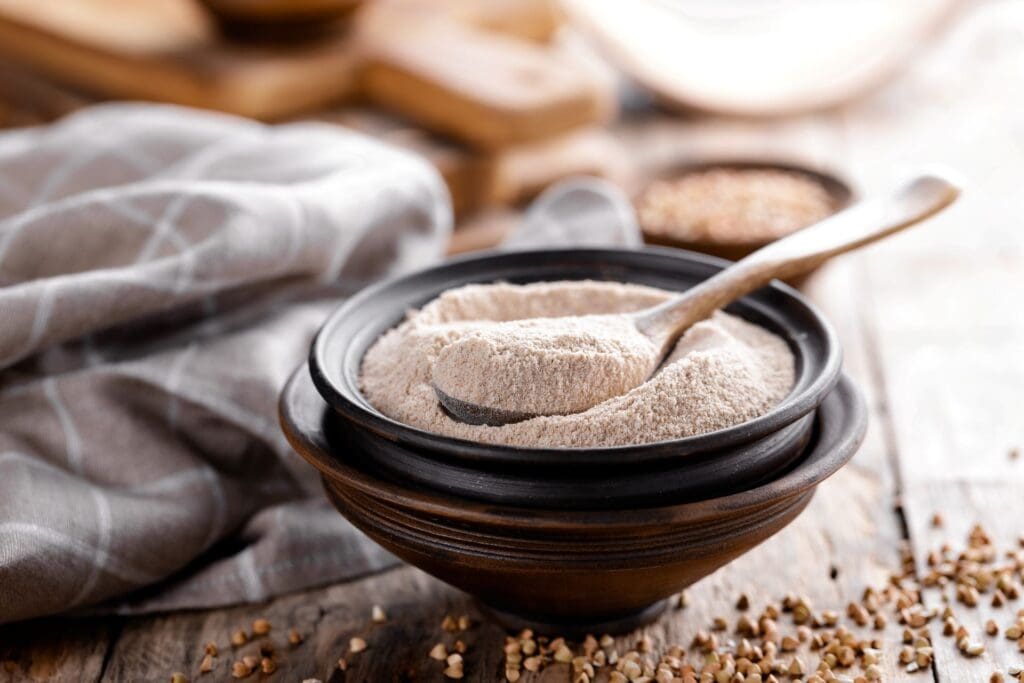
Go to any high-end bakery in Brooklyn or East London right now. They aren’t talking about rye. They’re talking about buckwheat flour. It adds this incredible “blue” note to chocolate—if you haven’t had a buckwheat chocolate chip cookie, you haven’t lived. It brings a fermented, complex tang to sourdough that wheat can’t touch.
It’s the dark horse of the baking world. It’s the ingredient that makes people go, “What is that flavor?” It’s the mystery. It’s the depth. It’s the reason I can’t go back to regular pancakes.
Stop Following the Herd
The wellness industry is a treadmill. One week it’s kale, the next it’s cauliflower crust, then it’s some obscure root from the mountains of Bhutan.
You can get off the treadmill. You can just eat the food that humans have been thriving on for millennia. Buckwheat isn’t a trend; it’s a return to form. It’s the grain that survived the Siberian winter and the French revolution. It’ll probably survive us, too.
So, clear out that half-empty bag of dusty quinoa. Stop trying to make “cauliflower rice” happen—it’s just sad, wet vegetables. Buy some buckwheat. Toast it. Eat it. Feel the difference between being “full” and being “nourished.”
What are you waiting for? A sign from a TikTok influencer?